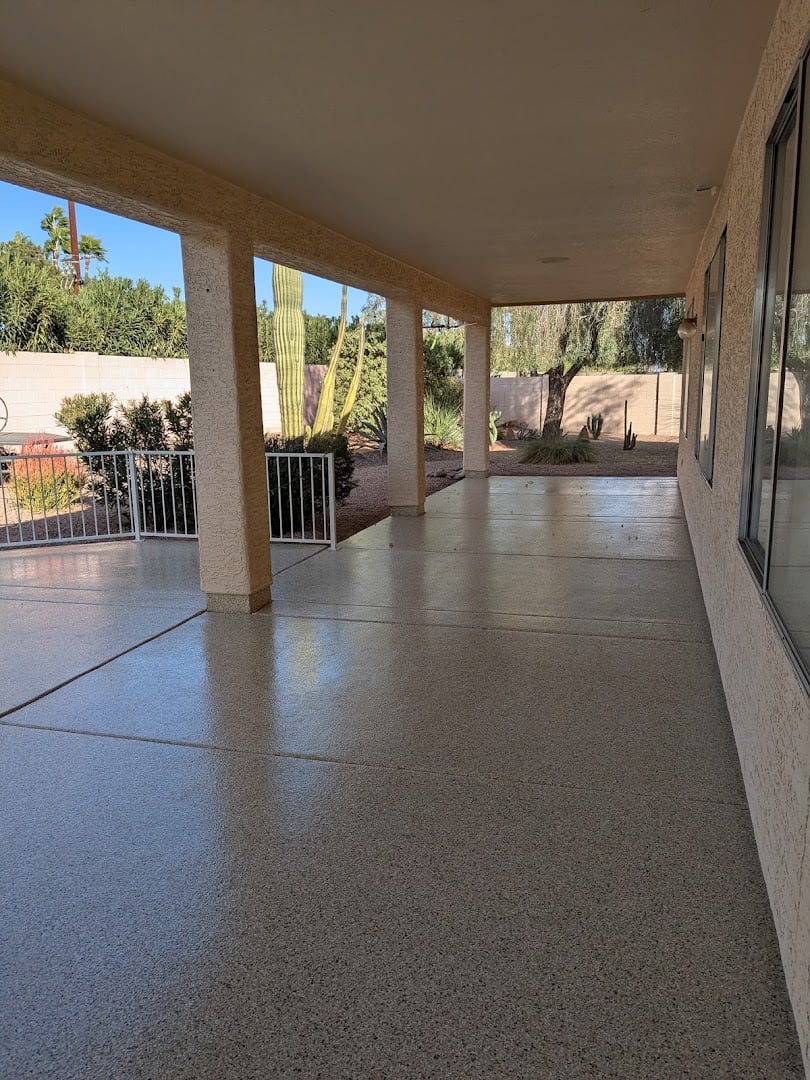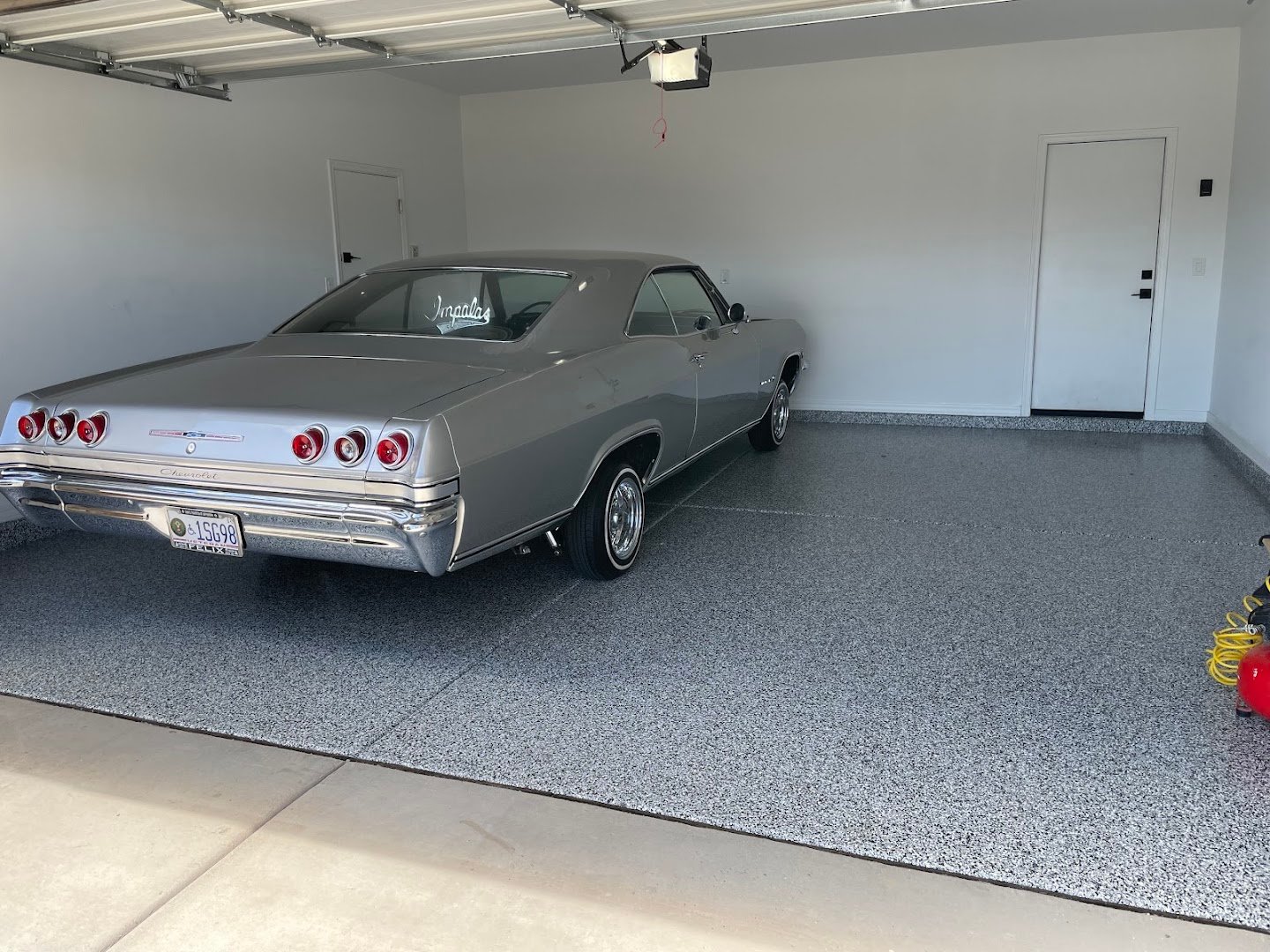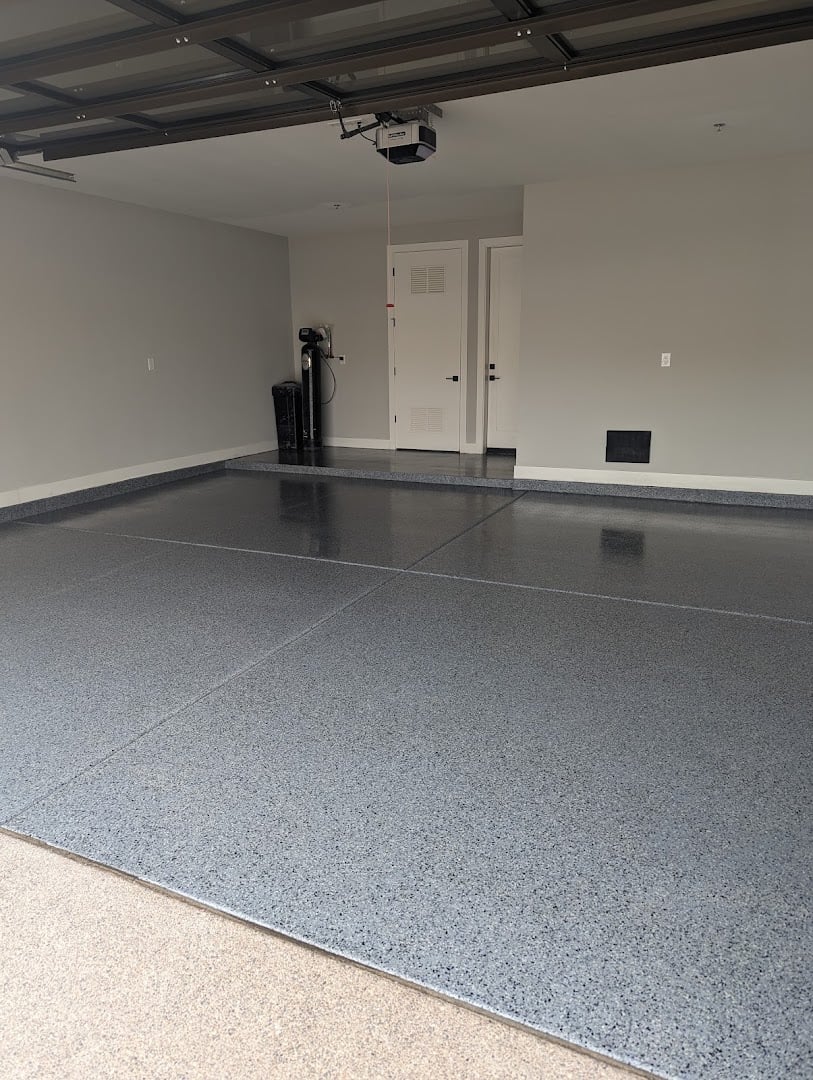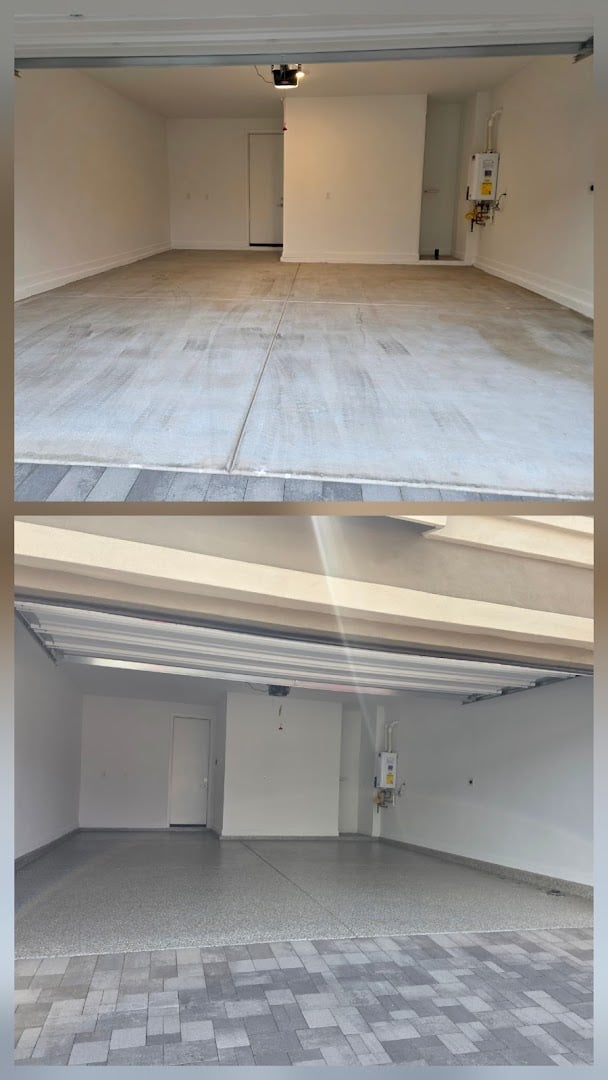
TL;DR: Proper pool deck preparation before a professional coating application is a big factor in how the finish sits. Cleaning, repairing cracks, and etching the surface are steps most homeowners can tackle themselves — and they set up your RevaFlex Pool Deck Coating installer for a smoother, cleaner job.
Key Takeaways
- Thorough cleaning and degreasing removes contaminants that get in the way of a coating bonding cleanly.
- Small cracks and surface damage should be repaired before any professional arrives on-site.
- Homeowner prep work can reduce professional labor time and set your RevaFlex installer up to focus on the finish itself.
Your pool deck takes a beating. Between hot Phoenix summers, constant foot traffic, and chlorine splash, the concrete beneath your feet is under near-constant stress. When it's finally time to refresh the surface with a professional coating, the work you do beforehand matters.
Skipping prep — or doing it poorly — leads to peeling and bubbling. A professional pool deck coating company in Phoenix, AZ can apply a great product, but if the surface isn't ready, the finish has less to grip.
The good news? A significant portion of prep work is well within reach for most homeowners. Here's what to do before the crew shows up.
Why Pool Deck Prep Matters
Coatings bond to surfaces — not to dirt, grease, or loose material. When a coating is applied over a contaminated or damaged surface, it has less to grip. That can lead to delamination showing up months after application instead of years.
Professional installers of RevaFlex Pool Deck Coating need a clean, structurally sound, and properly profiled surface to do their best work. Prep is not a formality — every crack, stain, or oil patch is a potential trouble spot if left unaddressed.
Think of it like painting a wall. Primer and paint won't save you if the drywall underneath is crumbling.
Step 1: Clear the Deck Completely
Start by removing everything from your pool deck — furniture, potted plants, toys, rugs, and any other items. This gives you full visibility of the surface and removes obstacles that slow down both your prep work and the professional crew.
Move items far enough away that they won't interfere with the work area. Professionals applying RevaFlex Pool Deck Coating in Phoenix need unobstructed access to the full surface.
Step 2: Thoroughly Clean the Surface
This is the most important step you can take. A deep clean removes buildup that keeps coatings from adhering cleanly.
What to target:
- Algae and mildew — Common in shaded or frequently wet areas. Use a diluted bleach solution (1 part bleach, 10 parts water) and a stiff-bristle brush.
- Oil and grease stains — Apply a concrete degreaser and let it dwell for 10-15 minutes before scrubbing.
- Efflorescence — The white, chalky mineral deposits that rise to the surface of concrete over time. These require an acid-based cleaner or a dedicated efflorescence remover.
- Dirt and organic debris — A pressure washer (2,500-3,000 PSI) handles most surface grime.
Allow the deck to dry completely after washing. In Phoenix's dry climate this typically takes 24-48 hours, though humidity and shade can extend drying time.
Step 3: Inspect for and Repair Surface Damage
Walk the entire deck and mark any problem areas with chalk or tape. Common issues include:
- Hairline cracks — Often cosmetic, but worth filling.
- Larger structural cracks — These may signal movement in the substrate. Flag these for your contractor to assess.
- Spalling — Sections where the surface layer has broken away, leaving a rough or pitted texture.
- Control joint deterioration — Deteriorated caulk in expansion joints should be removed and replaced.
For minor cracks and small voids, a concrete crack filler or patching compound from your local hardware store will do the job. Follow the manufacturer's instructions, allow it to cure fully, and sand flush with the surrounding surface. Leave significant structural damage for your professional pool deck coating company in Phoenix, AZ to evaluate.
Step 4: Address Pooling Water Areas
Standing water is a coating's enemy. If certain areas of your deck hold water after rain or splash, they'll also trap moisture under your new coating — which can lead to bubbling or lifting.
Take note of any low spots during your inspection. Minor pooling can sometimes be addressed with a skim coat of concrete before the professional arrives. More significant drainage issues may require regrading, which is a job for the pros.
Step 5: Lightly Profile the Surface (If Applicable)
Concrete that is too smooth won't allow a coating to bond cleanly. Some homeowners in good physical condition tackle light acid etching themselves using a muriatic acid solution (typically 1 part acid to 10 parts water), though this step requires careful safety precautions — gloves, eye protection, and proper ventilation are non-negotiable.
If you're not comfortable handling acid, skip this step. Many professional crews include surface profiling as part of their process, and your RevaFlex Pool Deck Coating installer will confirm whether additional etching is needed based on the surface condition.
What to Leave for the Professionals
DIY prep has its limits. Leave the following to your contractor:
- Full surface grinding or shot blasting — Required when the existing surface is sealed, painted, or significantly degraded.
- Structural crack repair and joint work — Needs professional assessment to determine root cause.
- Primer application — Part of the professional coating system and applied under controlled conditions.
- The coating itself — RevaFlex Pool Deck Coating is a professional-grade product applied by trained installers. Application rates, mixing ratios, and timing all affect the final result.
Getting the Most Out of Your Coating Install
Completing these prep steps before your scheduled appointment with a pool deck coating company in Phoenix, AZ sends a clear signal: you're a detail-oriented homeowner who wants the job done right. It also means your contractor can spend their time on what they do best — applying the finish itself.
A properly prepped surface paired with a quality product like RevaFlex Pool Deck Coating gives your finish the best possible starting condition. The work you put in before the crew arrives directly affects how the results settle in.
Frequently Asked Questions
How far in advance should I prep my pool deck before a professional coating?
Complete your cleaning and repairs at least 48-72 hours before your scheduled appointment. This gives the surface adequate time to dry, and your contractor time to assess any remaining issues before coating begins.
Can I apply a pool deck coating myself, or do I need a professional?
DIY kits exist, but professional-grade products like RevaFlex Pool Deck Coating are designed for application by trained contractors. Improper mixing or application can lead to adhesion problems, uneven coverage, and premature peeling.
How do I know if my pool deck needs a full resurface or just a coating?
If your deck has widespread spalling, significant structural cracking, or large areas of delamination, a full resurface may be necessary. A pool deck coating company in Phoenix, AZ like Cardinal Concrete can assess the condition at the free estimate and recommend the right approach.
What's the best time of year to coat a pool deck in Phoenix, AZ?
Spring and fall are ideal. Extreme summer heat can affect curing times and application conditions. Cooler temperatures allow coatings to cure more evenly.